Sam Simmons · 8 September 2026
Fallsridge Youth Sports League Broadens Participation with New Inclusive Programs
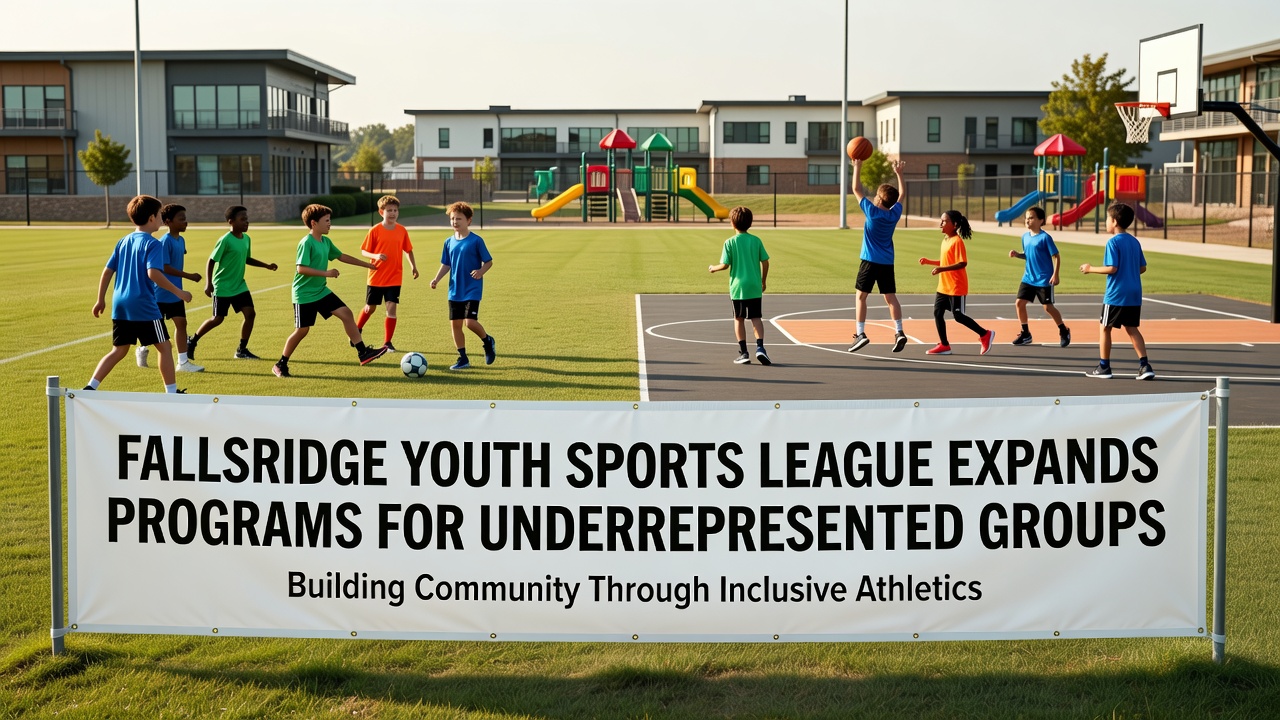
The Fallsridge Youth Sports League has introduced expanded programming designed to increase access for underrepresented groups across the region, with registration periods opening in September 2026 to align with the new school year. Officials report that these initiatives target communities historically facing barriers to organized sports, including financial constraints, transportation limitations, and cultural differences that have kept participation rates lower than in other demographic segments. Data from local enrollment records shows steady growth in core programs over the past five years, yet gaps persist for certain populations, prompting the league to adjust its structure accordingly.
Program Details and Eligibility Changes
New offerings include scholarship-supported team placements, equipment distribution at no cost to qualifying families, and flexible scheduling that accommodates varying school calendars and family work patterns. League coordinators have partnered with area schools to identify eligible participants, while outreach efforts extend to community centers and faith-based organizations that serve immigrant and minority populations. Those who've studied similar expansions in other regions note that such adjustments often lead to measurable increases in retention when support services accompany the athletic opportunities themselves.
Coaches receive additional training focused on inclusive practices, covering topics such as language support for non-English speakers and strategies for integrating athletes with different physical abilities. Sessions run on weekends and select evenings to reduce conflicts with academic demands, and transportation vouchers cover routes from underserved neighborhoods to practice fields. Research indicates that consistent access to these logistics correlates with higher attendance, according to participation studies compiled by national youth development organizations.
Community Partnerships Driving the Expansion
Local businesses and regional health agencies have contributed resources that fund the added staff positions and program materials. One collaboration with a nearby university supplies student volunteers who assist during clinics, providing mentorship while gaining practical experience in community health initiatives. Another arrangement with a Canadian sports equity network supplies curriculum frameworks adapted from successful models used in provinces with similar demographic mixes, allowing Fallsridge staff to refine their approach without starting from scratch.
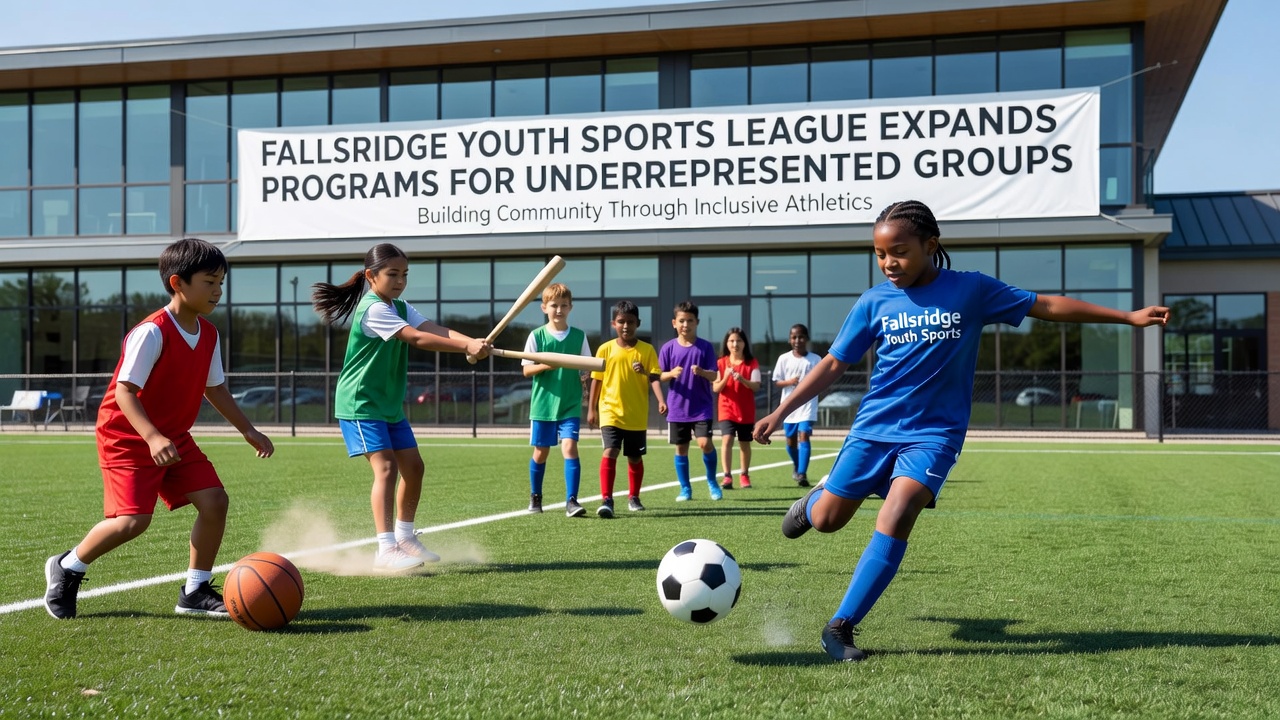
What's interesting is how these partnerships also create feedback loops, where participant input shapes future adjustments. Families report that bilingual registration materials and on-site interpreters reduce initial hesitations, while equipment banks eliminate the need for upfront purchases that previously deterred enrollment. Figures from comparable programs in the United States reveal that removing these entry points can double involvement from targeted groups within the first two seasons.
Timeline and Expected Outcomes
Implementation begins with informational sessions in late summer 2026, followed by the September registration window that prioritizes new applicants from underrepresented zip codes. Trial clinics run through October, giving prospective athletes a chance to sample activities before committing to full seasons. Monitoring protocols track metrics such as attendance, skill progression, and continued enrollment into subsequent years, with adjustments made mid-cycle based on collected observations.
Observers note that the league's approach draws from patterns seen in other mid-sized communities where youth sports organizations have scaled outreach without diluting existing competitive structures. Separate divisions maintain age and skill groupings while new entry-level teams focus on fundamentals and social development, ensuring pathways exist for athletes who advance at different rates.
Conclusion
The expansion reflects ongoing efforts to align league operations with broader demographic realities in Fallsridge, supported by documented needs and established partnership models. Continued evaluation will determine how these changes affect long-term participation rates and community engagement across all groups involved.